Eligibility Requirements
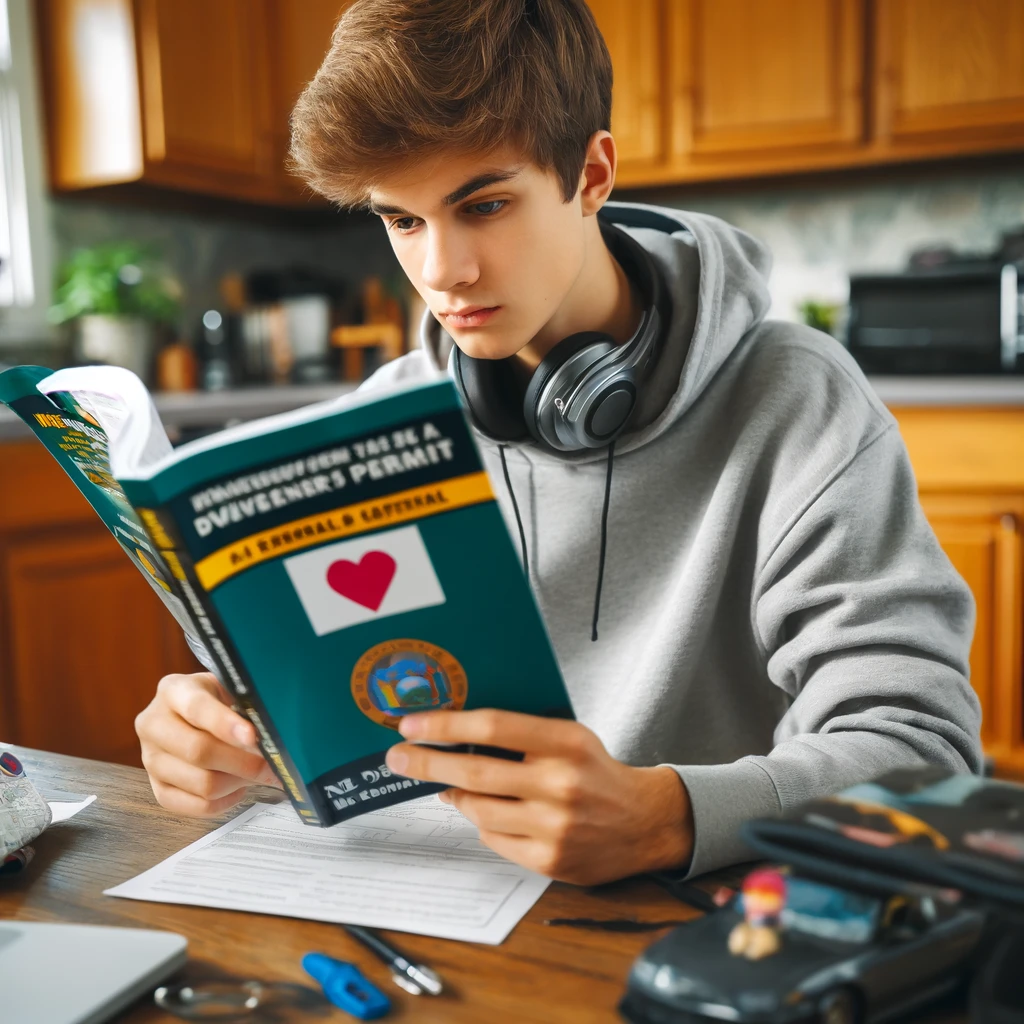
Before applying for your learner's permit, you need to ensure you meet the eligibility requirements set by the New York State Department of Motor Vehicles (DMV).
Age Requirements
- Minimum Age: You must be at least 16 years old to apply for a learner's permit in New York.
Documentation Requirements
- Proof of Identity: You need to provide proof of your identity, such as a birth certificate, passport, or permanent resident card.
- Proof of Social Security Number: You must show your Social Security card or a W-2 form.
- Proof of Residency: Documents such as utility bills, bank statements, or lease agreements are acceptable.
Preparing for the Written Test
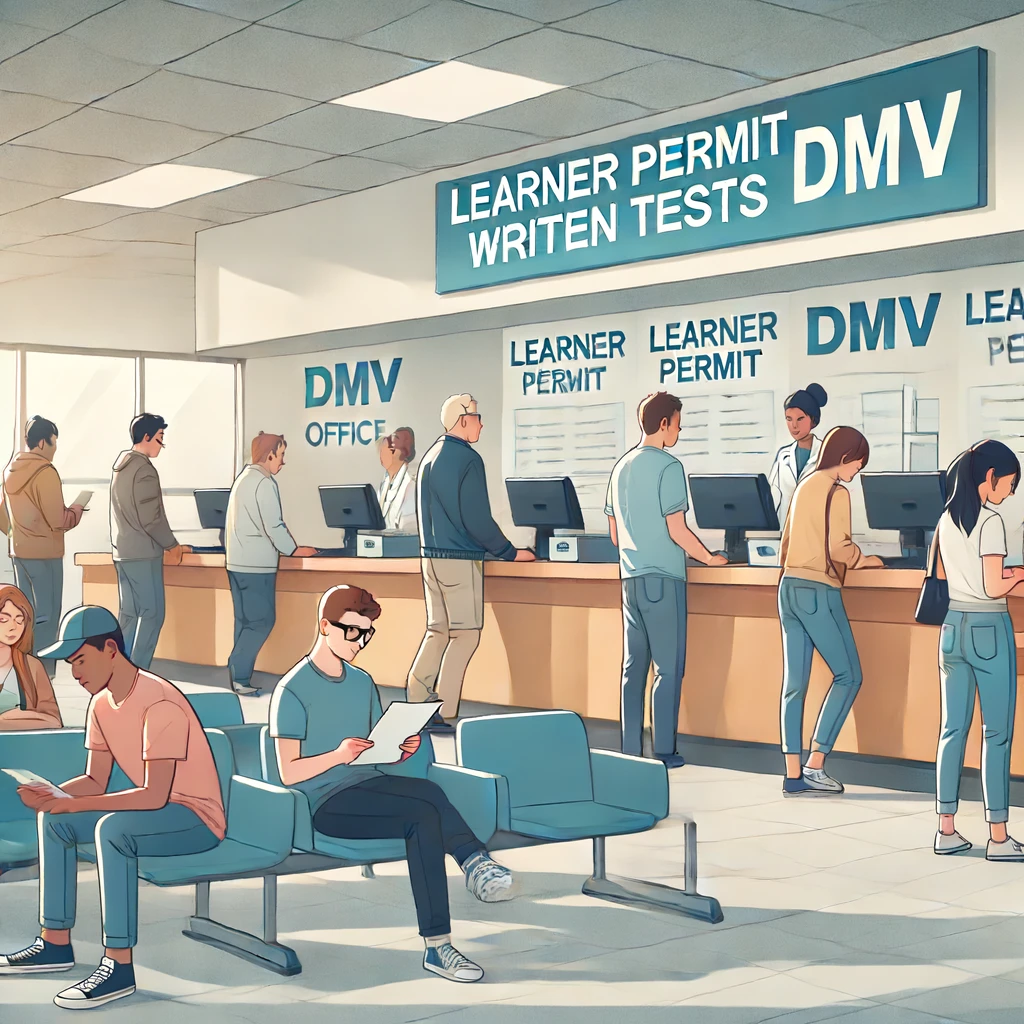
The first step in getting your learner's permit is passing a written test that assesses your knowledge of road signs, traffic laws, and safe driving practices.
Study the Driver's Manual
The New York State Driver's Manual is your primary resource for studying for the written test. It covers all the topics you need to know, including:
- Road signs and signals
- Basic driving rules
- Traffic laws
- Safe driving tips
Take Practice Tests
Practice tests are a great way to familiarize yourself with the format and types of questions you'll encounter on the actual test. You can find practice tests online or in study guides available at bookstores.
Enroll in a Driver Education Course
While not mandatory, enrolling in a driver education course can provide valuable knowledge and hands-on experience. These courses often include classroom instruction and behind-the-wheel training.
Applying for Your Learner's Permit
Once you feel prepared for the written test, it's time to apply for your learner's permit. Here’s a step-by-step guide to the application process:
Step 1: Gather Your Documents
Ensure you have all the required documents:
- Proof of identity
- Proof of Social Security number
- Proof of residency
Step 2: Complete the Application Form
Fill out the learner permit application form (MV-44), available on the DMV website or at your local DMV office.
Step 3: Visit the DMV Office
Go to your local DMV office with your completed application form and required documents. It’s a good idea to schedule an appointment online to avoid long wait times.
Step 4: Pass the Vision Test
At the DMV, you will need to pass a vision test to ensure you meet the minimum visual acuity requirements for driving.
Step 5: Take the Written Test
After passing the vision test, you'll take the written test. The test consists of multiple-choice questions based on the information in the driver's manual.
Step 6: Pay the Fee
Pay the required fee for the learner's permit. The fee varies depending on your age and the type of license you are applying for.
Step 7: Receive Your Permit
If you pass the written test, you will receive your learner's permit. Congratulations! You're now ready to start practicing driving.
Practicing with Your Learner's Permit
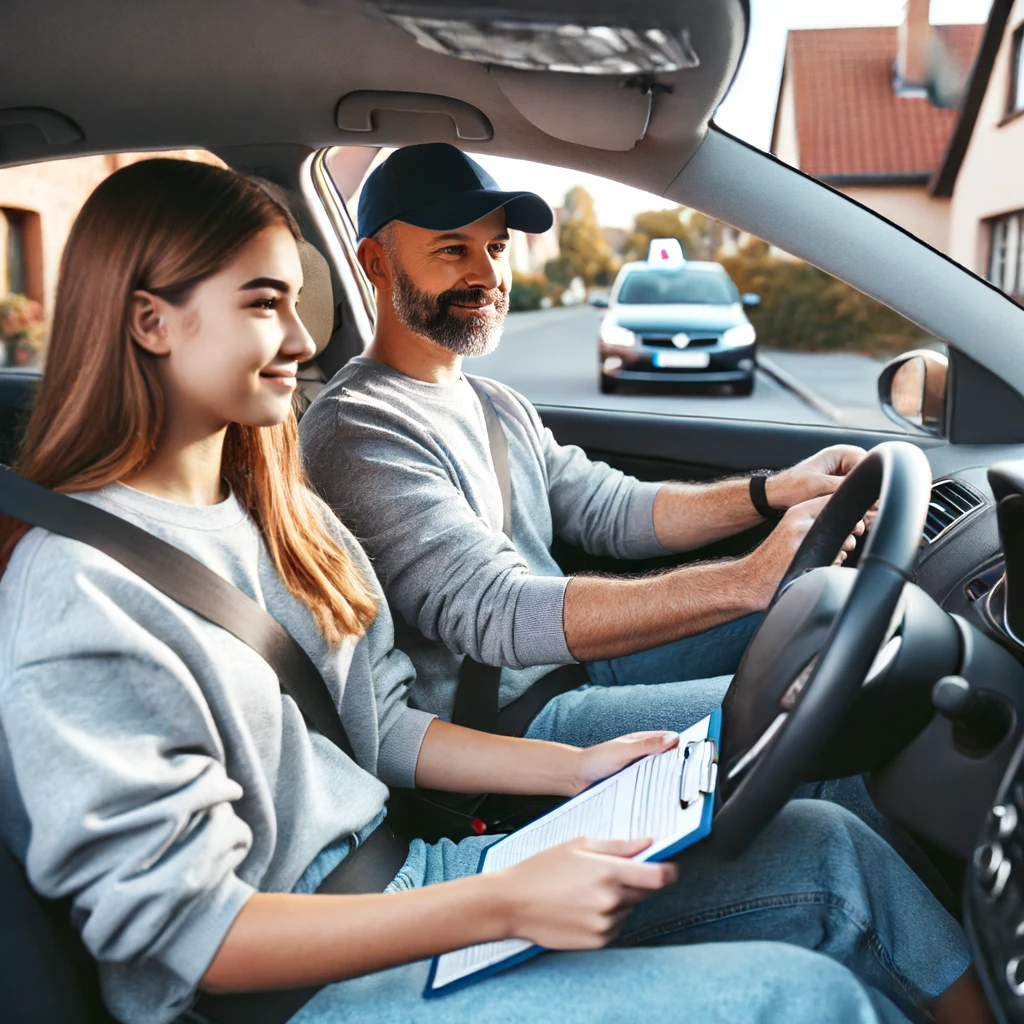
With your learner's permit in hand, it's time to start practicing your driving skills. Here are some important guidelines and tips to follow:
Supervised Driving
You must be accompanied by a licensed driver who is at least 21 years old. The supervising driver must sit in the front passenger seat.
Practice Hours
While New York State does not have a minimum required number of practice hours, it's recommended to get plenty of practice in various driving conditions, including:
- Daytime and nighttime driving
- Different weather conditions
- Residential and highway driving
Pre-Licensing Course
You must complete a pre-licensing course or a high school/college driver education course. The pre-licensing course is a 5-hour class that covers essential driving skills and safety.
Log Your Practice Hours
Keep a log of your practice hours, including the date, duration, and type of driving practiced. This can help you track your progress and ensure you're getting diverse driving experience.
Preparing for the Road Test
The final step in obtaining your driver’s license is passing the road test. Here’s how to prepare:
Schedule Your Road Test
You can schedule your road test online through the DMV website or by calling the DMV’s automated phone system. Be sure to schedule the test well in advance, as appointment slots can fill up quickly.
Practice Specific Skills
Focus on the skills you'll be tested on, including:
- Parallel parking
- Three-point turns
- Stopping at stop signs and traffic lights
- Yielding the right-of-way
- Safe lane changes
Review the Pre-Licensing Course Material
Review the material from your pre-licensing course to refresh your knowledge of safe driving practices and traffic laws.
Vehicle Preparation
Ensure the vehicle you'll be using for the road test is in good working condition and meets all safety requirements. Check the brakes, lights, signals, and tires before the test.
Taking the Road Test
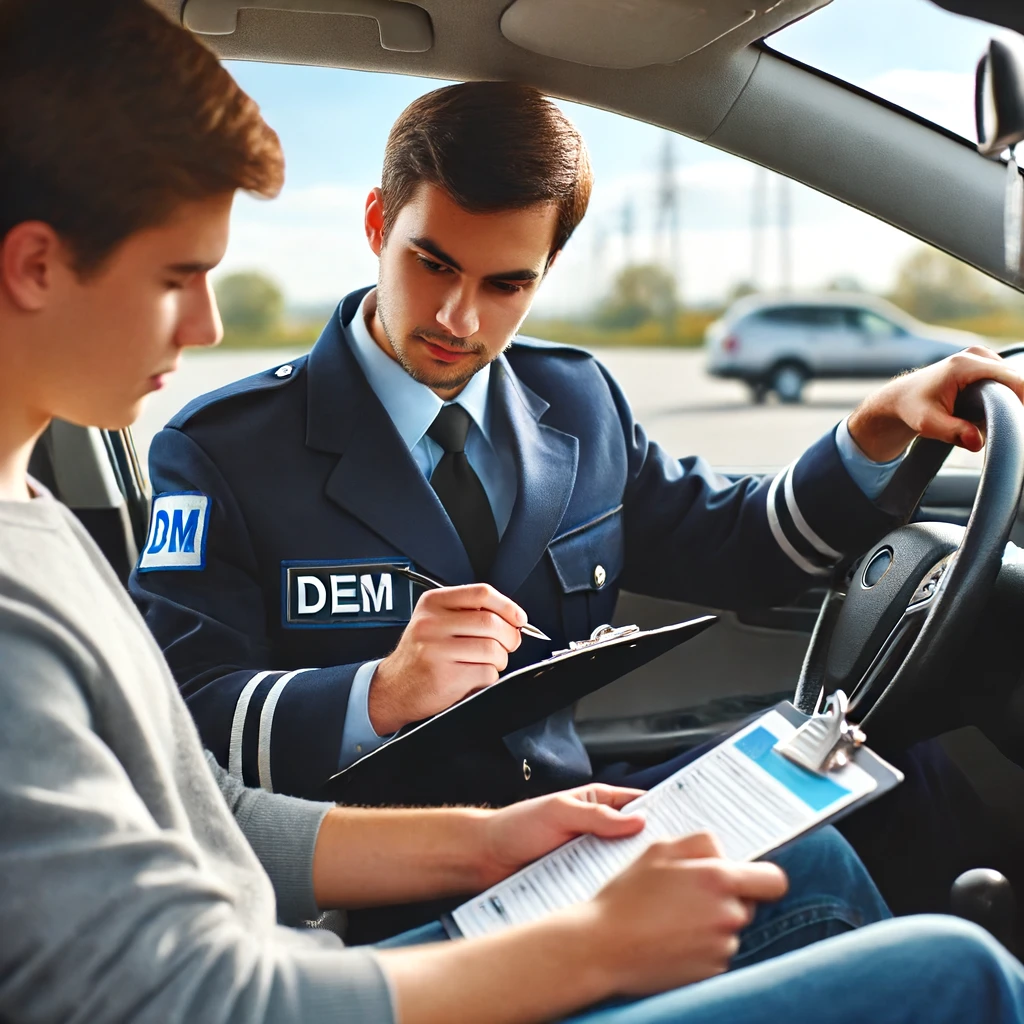
On the day of your road test, arrive early with your learner permit, pre-licensing course certificate, and a registered and insured vehicle. The examiner will evaluate your driving skills and provide feedback.
Stay Calm and Confident
Driving tests can be nerve-wracking, but staying calm and confident will help you perform better. Remember to follow the rules of the road, use your mirrors, and signal your intentions clearly.
Pass the Test
If you pass the road test, you will receive a temporary driver’s license on the spot. Your permanent license will be mailed to you within a few weeks. If you do not pass, the examiner will provide feedback on areas to improve, and you can reschedule the test.
Tips for New Drivers in NYC
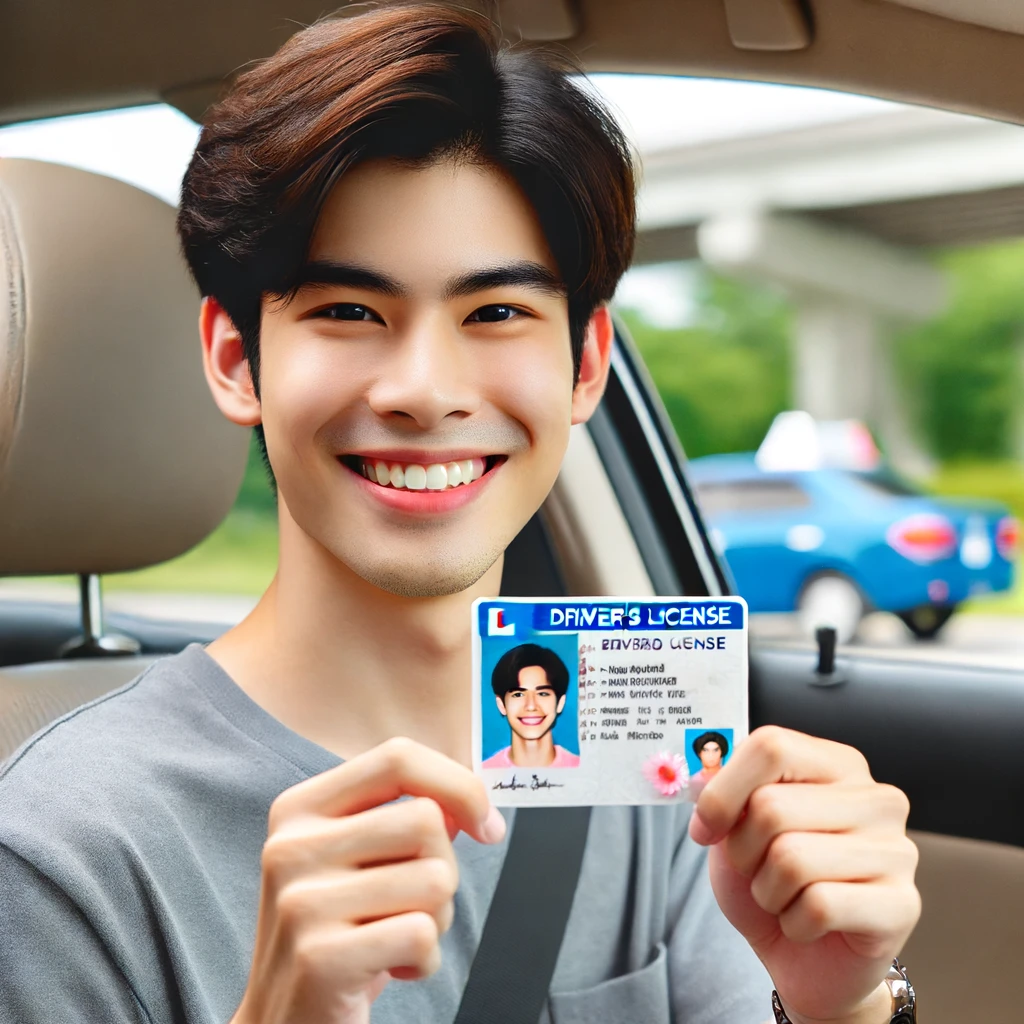
Driving in New York City presents unique challenges due to the high traffic density and complex road systems. Here are some tips to help you navigate the streets safely:
Stay Alert
Always be aware of your surroundings, including other vehicles, pedestrians, and cyclists. Avoid distractions like using your phone or eating while driving.
Follow Traffic Laws
Adhering to traffic laws is crucial for your safety and the safety of others. Follow speed limits, obey traffic signals, and yield the right-of-way when necessary.
Use Public Transportation
When possible, consider using public transportation for longer commutes or during peak traffic hours. This can reduce stress and the risk of accidents.
Plan Your Route
Before driving, plan your route using GPS or a map to avoid getting lost and reduce the stress of navigating unfamiliar areas.
Practice Defensive Driving
Defensive driving involves anticipating potential hazards and being prepared to react. Maintain a safe following distance, avoid aggressive drivers, and be cautious at intersections.
Conclusion
Obtaining your learner's permit and ultimately your driver's license in New York City is a process that requires preparation, practice, and patience. By understanding the steps involved and following the guidelines provided in this guide, you can navigate the process smoothly and become a confident and responsible driver.