1. Stay Calm and Confident

The first step to successfully navigating busy roads is to remain calm and confident. Anxiety can impair your judgment and reaction time, so it's important to stay composed.
Practice Deep Breathing
If you start to feel nervous, take deep breaths to calm your nerves. Deep breathing can help you stay focused and relaxed.
Build Confidence Gradually
Start with less busy roads and gradually work your way up to more congested areas. As you gain experience, your confidence will naturally increase.
2. Understand and Follow Traffic Signs and Signals
Traffic signs and signals are designed to regulate traffic flow and ensure safety. Familiarize yourself with these signs and always follow them.
Key Signs to Know
- Stop Sign: Come to a complete stop and proceed when it’s safe.
- Yield Sign: Slow down and yield to oncoming traffic.
- Speed Limit Signs: Adhere to the posted speed limits.
Traffic Signals
- Green Light: Proceed with caution.
- Yellow Light: Prepare to stop if it’s safe to do so.
- Red Light: Stop completely until the light turns green.
3. Maintain a Safe Following Distance

Keeping a safe distance between your vehicle and the one in front of you is crucial, especially on busy roads and highways.
The Three-Second Rule
Use the three-second rule to maintain a safe following distance. Pick a stationary object on the road ahead. When the vehicle in front passes it, start counting. If you reach the object before you count to three, you're too close.
Increase Distance in Poor Conditions
In adverse weather conditions or heavy traffic, increase your following distance to allow more time to react.
4. Use Mirrors and Check Blind Spots
Regularly check your mirrors and blind spots to stay aware of your surroundings.
Mirror Check Routine
- Rearview Mirror: Check every 5-8 seconds.
- Side Mirrors: Check before changing lanes or merging.
- Blind Spots: Always check blind spots by turning your head before changing lanes.
5. Signal Your Intentions

Always use your turn signals to indicate your intentions to other drivers. Signaling allows other drivers to anticipate your actions and react accordingly.
When to Signal
- Changing Lanes: Signal at least 100 feet before changing lanes.
- Turning: Signal at least 100 feet before making a turn.
- Merging: Signal as you approach the merge point.
6. Merge Smoothly
Merging onto a busy highway can be challenging. Follow these tips to merge safely:
Use the Acceleration Lane
Use the acceleration lane to match the speed of highway traffic before merging. This makes the merge smoother and reduces the risk of collisions.
Check for Gaps
Look for a gap in traffic and merge when it's safe. If necessary, adjust your speed to fit into the gap smoothly.
7. Avoid Distractions
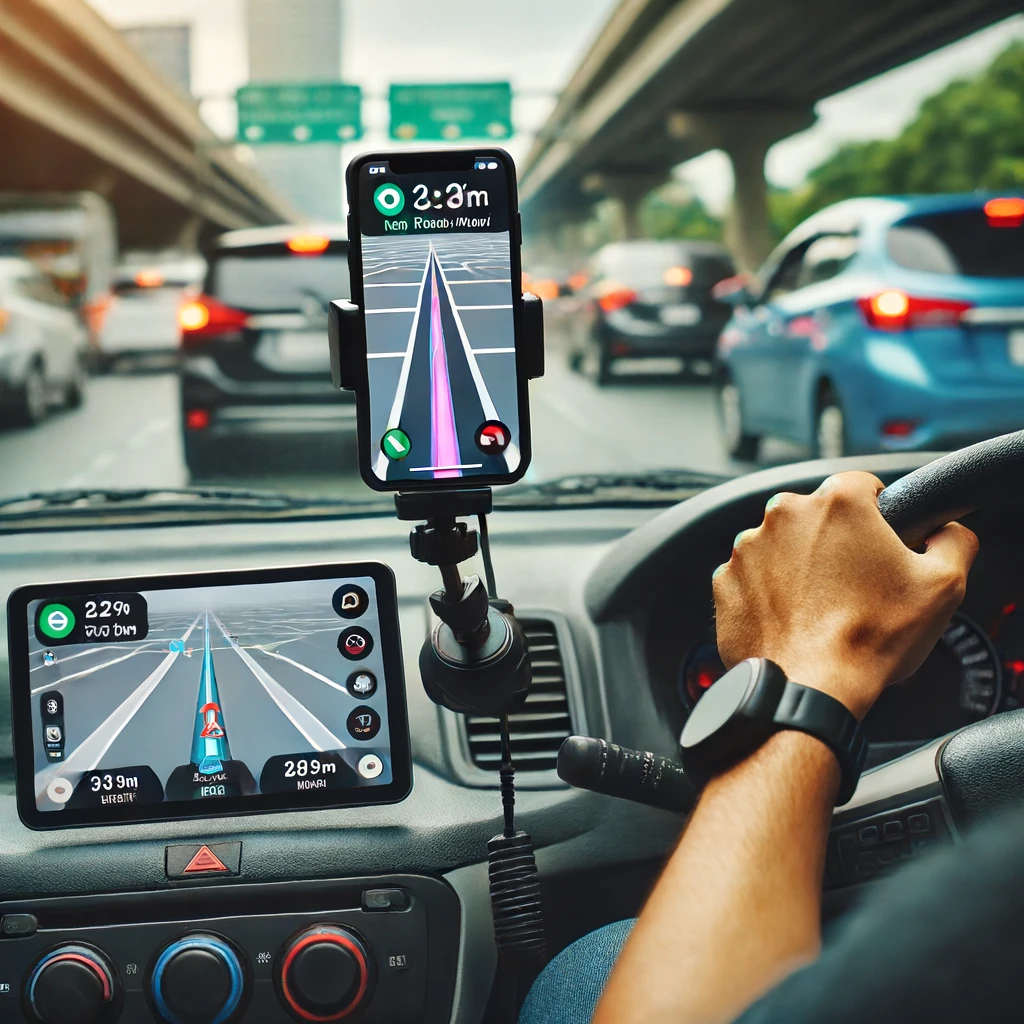
Distracted driving is one of the leading causes of accidents. Keep your focus on the road and avoid any distractions.
Common Distractions to Avoid
- Texting or Using Your Phone: Use hands-free options if you need to make a call.
- Eating or Drinking: Finish your meals before you start driving.
- Adjusting Controls: Set your GPS and climate controls before you start driving.
8. Adapt to Traffic Flow
Adapting to the flow of traffic helps ensure a smooth driving experience and prevents accidents.
Match the Speed of Traffic
While it's important to obey speed limits, you should also try to match the speed of surrounding traffic within legal limits. Driving significantly slower or faster than the flow can be dangerous.
Keep Up with Lane Changes
On highways, lane changes are common. Be prepared to change lanes as needed, but always do so safely and with proper signaling.
9. Plan Your Route
Planning your route in advance can help you avoid unnecessary stress and confusion on busy roads and highways.
Use GPS or Navigation Apps
GPS and navigation apps can provide real-time traffic updates and alternate routes. Set your destination before you start driving.
Familiarize Yourself with the Route
If possible, review your route beforehand to familiarize yourself with major turns, exits, and intersections.
10. Practice Defensive Driving
Defensive driving involves being aware of potential hazards and taking proactive steps to avoid them.
Anticipate Other Drivers’ Actions
Always anticipate that other drivers may make sudden or unpredictable moves. Stay alert and be ready to react.
Avoid Aggressive Drivers
If you encounter an aggressive driver, don't engage. Maintain a safe distance and let them pass.
11. Know When to Use Headlights
Proper use of headlights improves visibility and signals your presence to other drivers.
When to Turn on Headlights
- At Dusk and Dawn: Use headlights to improve visibility.
- In Bad Weather: Turn on headlights in rain, fog, or snow.
- At Night: Always use headlights when driving after dark.
12. Stay Informed About Road Conditions
Staying informed about current road conditions can help you avoid potential hazards and plan your drive accordingly.
Check Traffic Reports
Listen to traffic reports or check online traffic updates before and during your drive.
Be Aware of Construction Zones
Construction zones can cause delays and require extra caution. Follow posted signs and reduce your speed in these areas.
Conclusion
Navigating busy roads and highways as a new driver can be challenging, but with the right preparation and mindset, you can handle it confidently. Remember to stay calm, follow traffic signs and signals, maintain a safe following distance, and practice defensive driving. By incorporating these tips into your driving routine, you'll improve your skills and become a safer, more confident driver. Check our packages for a new drivers.
