Strategies to Avoid Traffic Accidents in Construction and Work Zones

Drivers can prevent work zone accidents by following these essential steps:
- Maintain Safe Distances: Ensure there is a safe space between your vehicle and others, including construction personnel and equipment.
- Stay Vigilant and Avoid Distractions: Always be aware of your surroundings and avoid distractions such as texting or emailing while driving.
- Utilize Passengers: Instruct your passengers to help you remain mindful of other road users and obstacles when driving through construction zones.
Should You Drive the Standard Speed Limit if You Don’t See Workers?
When driving in a work zone, never assume you can drive at the normal speed limit, especially if the zone is near residential neighborhoods, business parks, or schools. The speed limit in these areas is generally 25 MPH. Even if workers are not present, you should adhere to the posted speed limit. Always monitor the activities of other drivers, be alert to pedestrians, and watch for work zone-related trucks and heavy machinery. Driving in work zones requires vigilance and preparedness for rapid lane changes. Speed limits may be reduced, and traffic lanes might be eliminated, narrowed, or shifted.
Defensive Driving Techniques for Work Zones
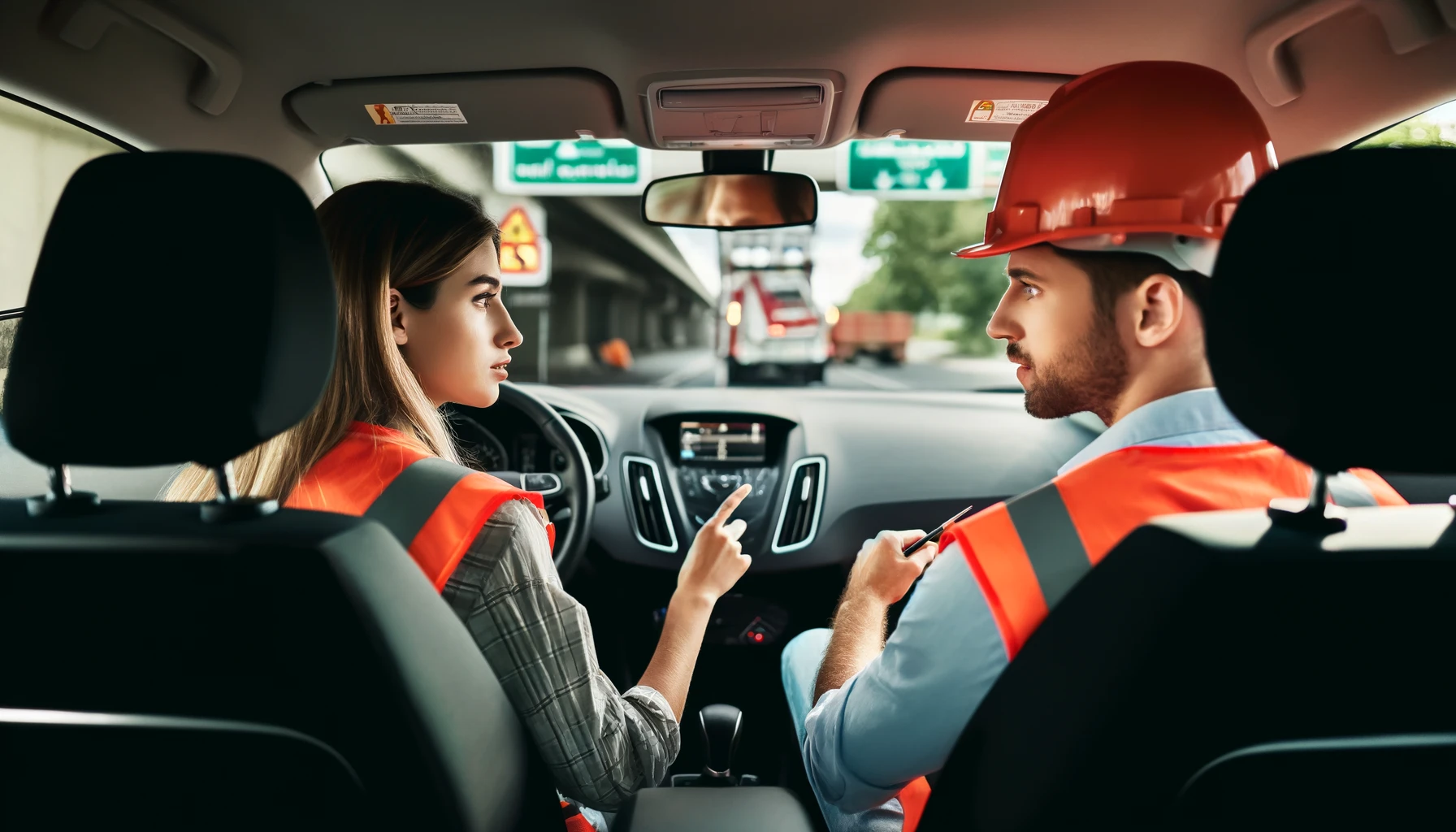
Defensive driving techniques are crucial for increasing awareness and optimizing safety behind the wheel. The most critical aspect of safe driving is maintaining constant focus on the road. Here are some defensive driving tips:
- Use Turn Signals: Always signal your intentions well in advance.
- Buckle Up: Ensure that you and all passengers are wearing seatbelts.
- Give Space: Allow ample space for pedestrians and other vehicles.
- Avoid Distractions: Stay off your phone and minimize interaction with the center console while driving.
Defensive driving involves distrusting the actions of other drivers and maintaining a safe distance from unpredictable motorists. It’s based on the premise that you need to closely monitor other drivers’ behavior to enhance safety.
How to Drive Safely Through a Construction Zone
Speeding and careless driving are leading causes of work zone crashes. To avoid these, keep the following tips in mind:
- Focus on the Road: Maintain complete concentration when driving through a work zone.
- Maintain Safe Distances: Keep a safe distance from other vehicles and construction personnel.
- Observe Speed Limits: Adhere to posted speed limits in work zones. Speeding can lead to hefty fines and traffic citations.
- Check Your Mirrors: Always verify that the lanes you are entering are clear using your side mirrors and rearview mirror.
- Watch for Blind Spots: Be mindful of blind spots when maneuvering your vehicle.
Risks Associated with Driving Around Work Zones
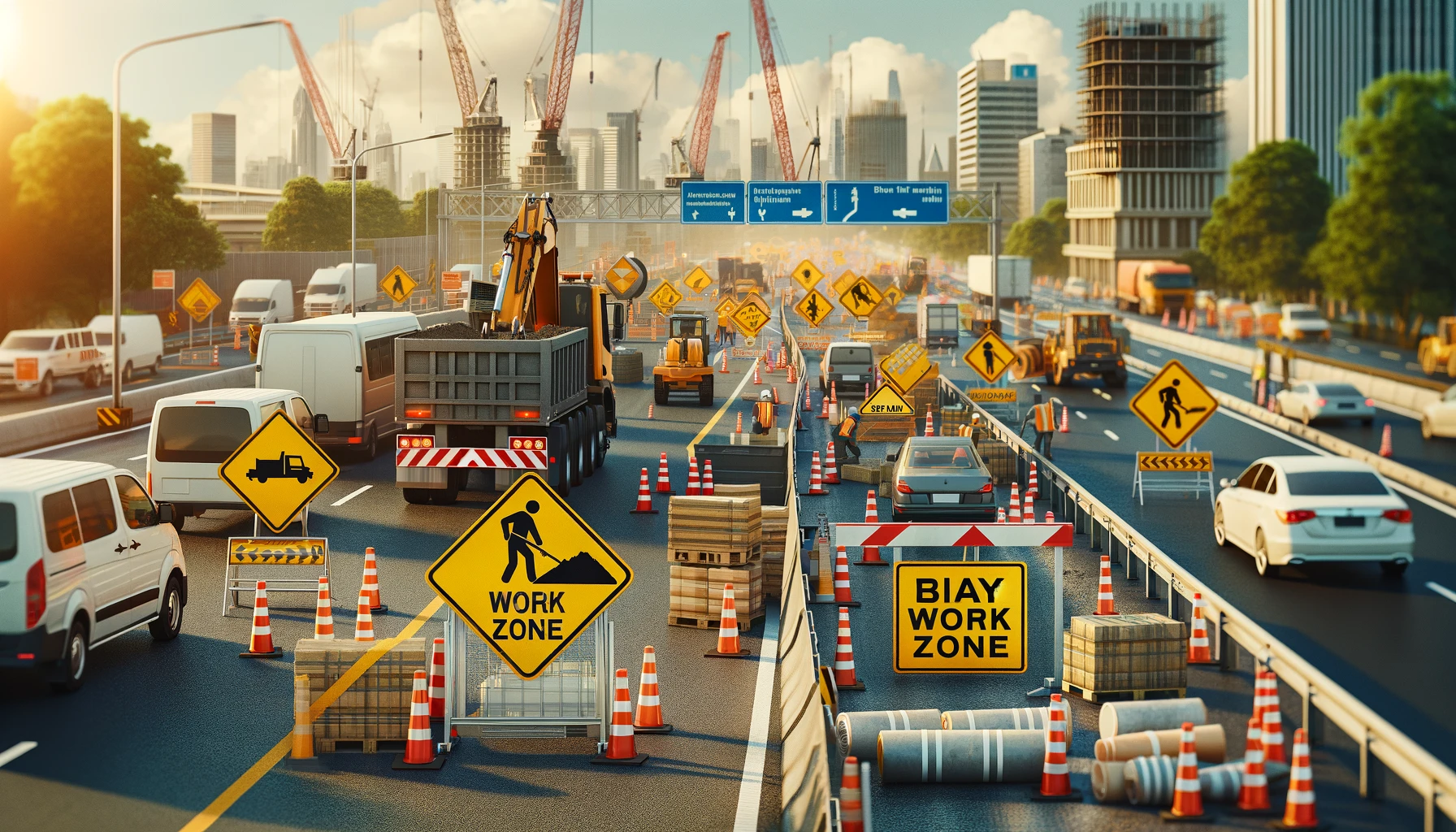
The most common type of work zone collision is a rear-end collision, often a result of careless driving. Speeding is a typical reckless behavior that can lead to severe injuries for all involved. Work zones are typically marked by maintenance, labor, or construction activities and may include heavy machinery, debris, and workers. These zones can be found in high-traffic areas or residential communities. If unsure about the speed limit, maintain a 55 MPH speed restriction and stay vigilant of both the driver's and workers’ actions.
The Importance of Preventing Work Zone Collisions
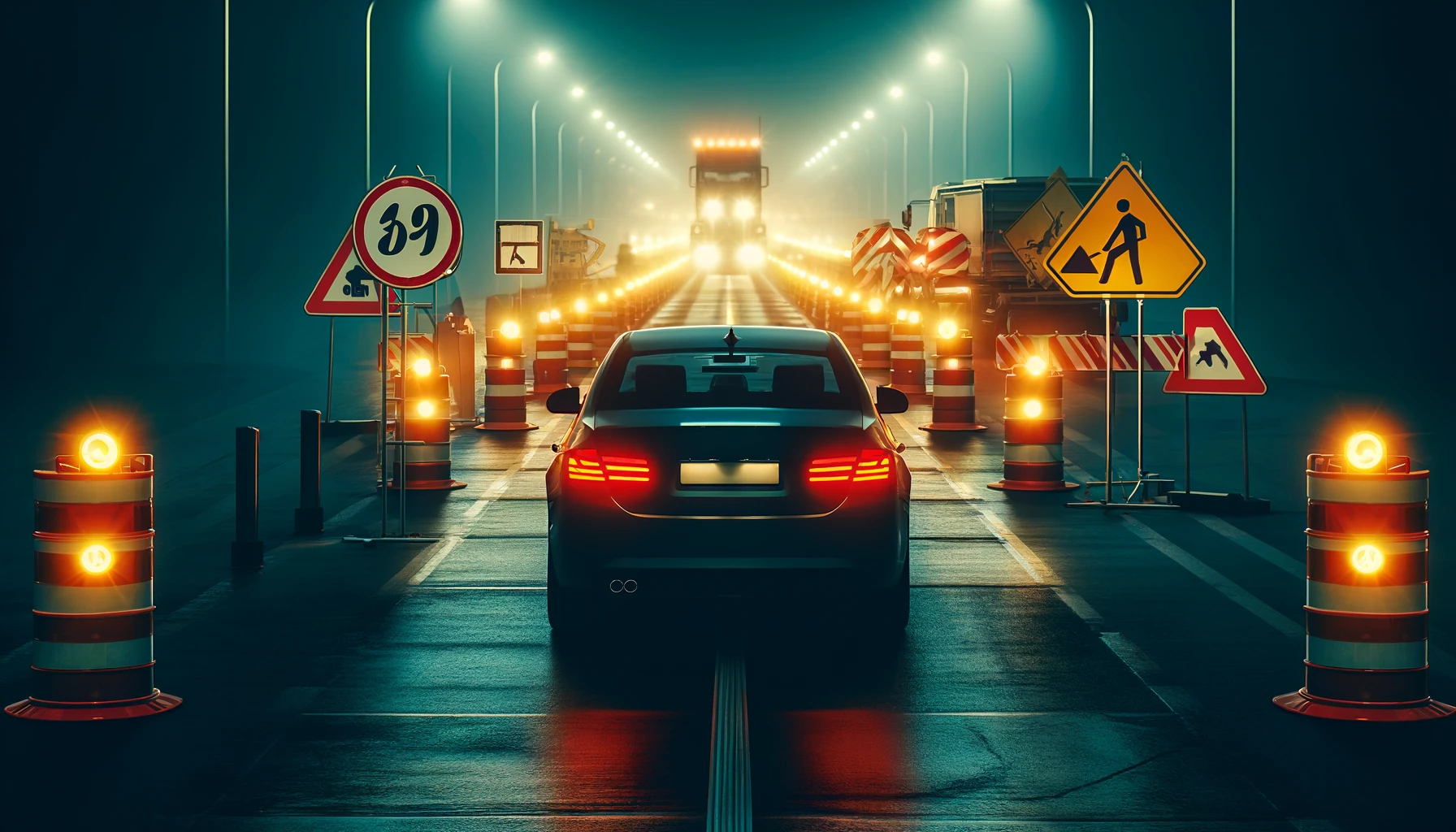
Preventing work zone collisions is crucial. Work zones are essential for infrastructure maintenance and help improve road safety. However, they can also be a source of anxiety for drivers. Understanding what to expect in work zones and practicing defensive driving can keep everyone safe. Additionally, roadside assistance packages can provide support in emergencies, whether you need fuel or a tow out of a construction zone. Consider using a free auto insurance comparison tool to find the best coverage for your needs.
Final Remarks
As with most automobile accidents, unfamiliarity with road regulations increases the risk of work zone accidents. Always signal well ahead of time and move to the far right lane early to allow other vehicles to pass. Use the “leaning and looking” technique before completing lane shifts. When traffic is backed up, and a long queue of cars has formed behind a slow-moving truck, drivers are often eager to move on and will pass quickly.
By following these practical tips and remaining vigilant, you can significantly reduce the risk of being involved in a work zone crash and contribute to safer roads for everyone.