Why Practicing on Test Routes is Important

Boosts Confidence
Familiarity with the test routes can significantly boost your confidence. Knowing the roads, traffic patterns, and potential challenges helps reduce anxiety on the test day.
Improves Skill Mastery
Practicing on the actual routes allows you to master the specific maneuvers required during the test, such as parallel parking, three-point turns, and lane changes in real traffic conditions.
Identifies Potential Hazards
Understanding the routes helps you anticipate and navigate potential hazards, such as busy intersections, pedestrian crossings, and tricky turns.
How to Discover Practice Routes for Your DMV Road Test

1. Research DMV Test Centers
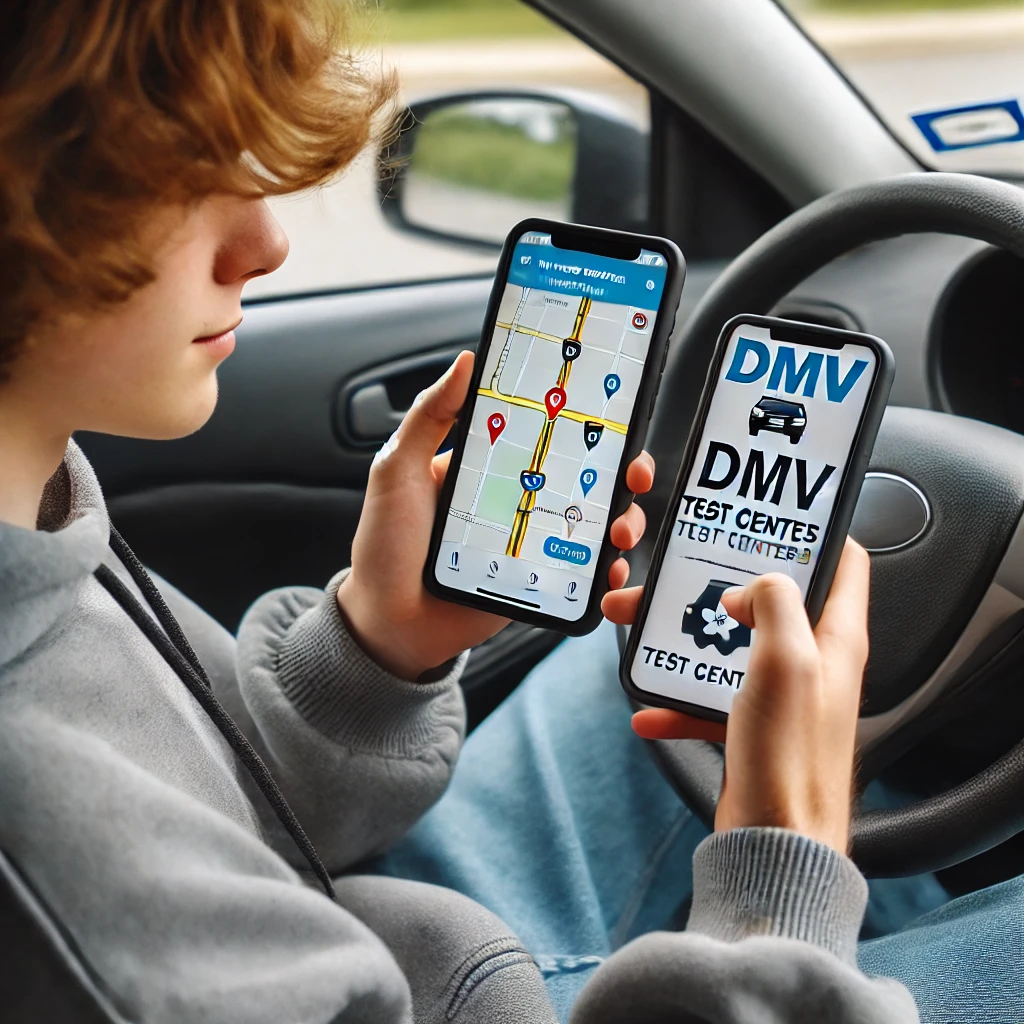
Start by researching the DMV test centers in your area. Each center may have different test routes, so it’s essential to know where you’ll be taking your test.
Tip: Visit the official DMV website or contact your local DMV office to get information about the test centers.
2. Ask for Recommendations
Reach out to friends, family, or driving instructors who have recently taken or taught the DMV road test. They can provide valuable insights and recommendations on the test routes.
Tip: Join online forums or social media groups where people discuss their DMV road test experiences.
3. Utilize Online Resources
Several online resources provide maps and descriptions of common DMV test routes. Websites, forums, and driving school blogs often share this information to help new drivers prepare.
Tip: Look for YouTube videos or virtual tours of DMV test routes to get a visual understanding of what to expect.
4. Take Driving Lessons with a Local Instructor
Driving instructors familiar with the DMV test routes can provide guided practice sessions. They can take you through the actual routes and offer tips on handling specific challenges.
Tip: Ask your driving school if they offer route-specific practice sessions.
5. Use GPS and Mapping Apps
Apps like Google Maps and Waze can help you explore and navigate potential test routes. Input the DMV test center as your destination and drive around the area to familiarize yourself with the roads.
Tip: Use the “explore nearby” feature on these apps to identify key landmarks and tricky spots on the route.
Common Features of DMV Test Routes

1. Residential Areas
Most test routes include driving through residential areas. This tests your ability to navigate narrow streets, handle intersections, and adhere to speed limits.
Practice Tips:
- Maintain a slow, steady speed.
- Watch for pedestrians and cyclists.
- Practice turning at intersections and stopping at stop signs.
2. Busy Intersections
Handling busy intersections is a critical part of the road test. You’ll need to demonstrate your ability to make safe turns, yield appropriately, and follow traffic signals.
Practice Tips:
- Practice making left and right turns at various intersections.
- Pay attention to traffic signals and signs.
- Yield to oncoming traffic and pedestrians when necessary.
3. Parallel Parking
Parallel parking is a common requirement in the DMV road test. You’ll need to show that you can park between two vehicles accurately and safely.
Practice Tips:
- Practice parallel parking in different locations with varying difficulty levels.
- Use cones or markers to simulate parked cars.
- Focus on your positioning and use of mirrors.
4. Three-Point Turns
You may be asked to perform a three-point turn to demonstrate your maneuvering skills in tight spaces.
Practice Tips:
- Find a quiet, empty street to practice.
- Follow the correct procedure: signal, check mirrors, and execute the turn smoothly.
- Practice until you can perform the turn confidently without excessive adjustments.
5. Lane Changes
Lane changes test your ability to safely switch lanes in traffic. You’ll need to signal, check mirrors and blind spots, and change lanes smoothly.
Practice Tips:
- Practice changing lanes on both quiet and busy roads.
- Always use your turn signals and check your mirrors and blind spots.
- Ensure you maintain a safe distance from other vehicles.
Creating Your Practice Schedule
- Plan Regular Sessions
Set aside specific times each week for practicing the test routes. Consistency is key to mastering driving skills.
- Mix Up Your Routes
Practice on different routes to expose yourself to various road conditions and challenges. This helps build versatility and adaptability.
- Simulate Test Conditions
Try to replicate the test conditions as closely as possible. This includes driving during the same time of day as your test and adhering to all traffic rules and regulations.
- Track Your Progress
Keep a log of your practice sessions, noting areas where you excelled and areas needing improvement. This helps you focus your practice on weak points.
Conclusion
Discovering and practicing on DMV test routes is a crucial step in preparing for your road test. Familiarizing yourself with these routes boosts your confidence, improves your driving skills, and helps you anticipate potential challenges. At Drive Rite NY, we are dedicated to helping you succeed. For more information and expert guidance on preparing for your DMV road test, visit Drive Rite NY.
Good luck with your road test, and remember, thorough preparation is the key to success. Stay calm, confident, and focused, and you’ll be well on your way to obtaining your driver’s license. Book a lesson!