Reasons Why You Failed Your Driving Test
If you've recently failed your road test and feel discouraged, start by watching this video to learn how to get over it.
1. Not Fastening Your Seatbelt
One of the first things the examiner will notice is if you fail to fasten your seatbelt. This should be your top priority as soon as you sit behind the wheel, whether you're driving or just a passenger. Forgetting to buckle up due to anxiety or nervousness can lead to an automatic fail.
Make it a habit to always fasten your seatbelt as soon as you get into the car. This practice will become second nature, ensuring that by the time you take your road test, fastening your seatbelt is automatic.
2. Poor Steering Control
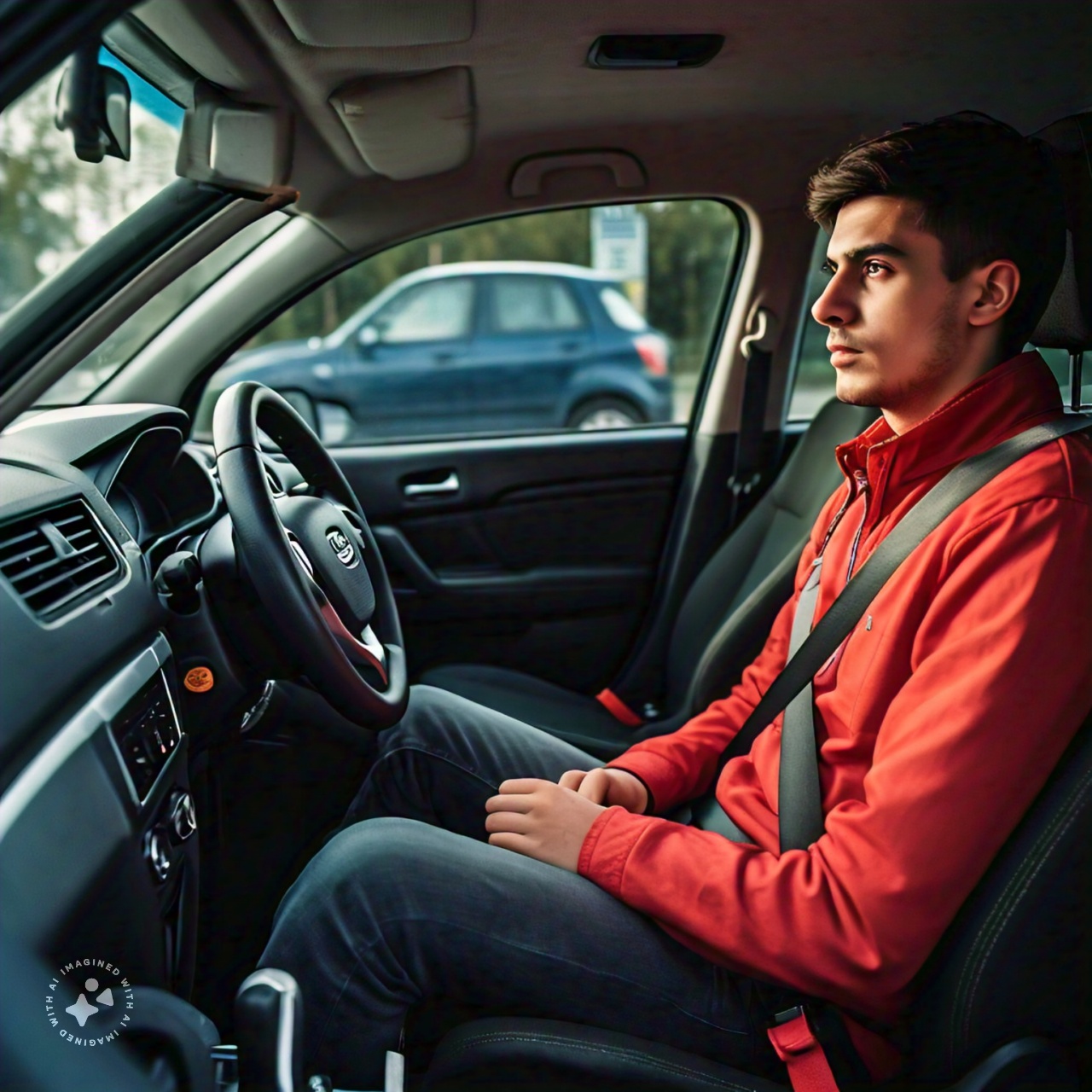
Proper steering control is crucial. It's not just about where your hands are on the wheel but how well you can control the vehicle. Crossed arms won't cause you to fail unless it affects your control.
Lack of control, especially when negotiating sharp corners, can lead to hitting the curb. Make sure not to let the wheel slide through your hands and always use the push-pull technique taught during your lessons. This reduces the risk of losing control and failing the test.
3. Failing to Check Your Mirrors
Examiners pay close attention to how often you check your mirrors. You should regularly check your left, right, and rearview mirrors every five to ten seconds. Consistent mirror checks are crucial to staying aware of your surroundings.
Over-exaggerate your mirror checks to show the examiner that you are attentive. Also, remember to check your blind spots whenever changing lanes.
4. Waiting for the Examiner to Intervene
Many learners fail because their examiners have to intervene to prevent a crash. Mistakes like making sudden left turns or wrong turns on one-way streets can lead to automatic failure.
Only schedule your test when you feel fully prepared and confident. Your readiness will inspire confidence in your examiner. Practice diligently to ensure you don't rely on the examiner to correct dangerous errors.
5. Performing Dangerous Maneuvers

The DMV test evaluates your safety and understanding of road rules. Dangerous maneuvers will be noted by the examiner and can lead to failure, even if you perform well in other areas.
Being well-prepared helps prevent dangerous mistakes. Remember, driving safely and paying attention to details are essential. Avoid risky moves to demonstrate your competence.
6. Car Failure
Vehicle malfunctions on test day can be disastrous. Ensure your car meets all legal requirements, including functional brake lights, windshields, and headlights. It should be registered, insured, and up to date on emissions checks.
Conduct a self-inspection of your vehicle a few days before the test. Check all essential components to avoid disqualification due to a vehicle failure.
How to Get Over a Failed Road Test
Failing your driving test isn't the end. The DMV allows multiple retakes. Here’s how to move past a failed test:
1. Remember, It’s Normal
Everyone struggles with driving at first. Learning to control the wheel, use brakes, accelerate, and park takes time. Don't be discouraged by a failure or two. Patience and determination will lead to success.
2. Let It Out
Talking about your disappointment with friends or support groups can lighten your burden. Understanding that failure is a common experience can help you cope and move forward.
3. Don’t Let It Consume You!
Mistakes happen. Don’t let them define you. Remind yourself that driving tests are challenging, and it's okay to stumble. Keep a positive attitude and stay motivated.
4. Keep Driving
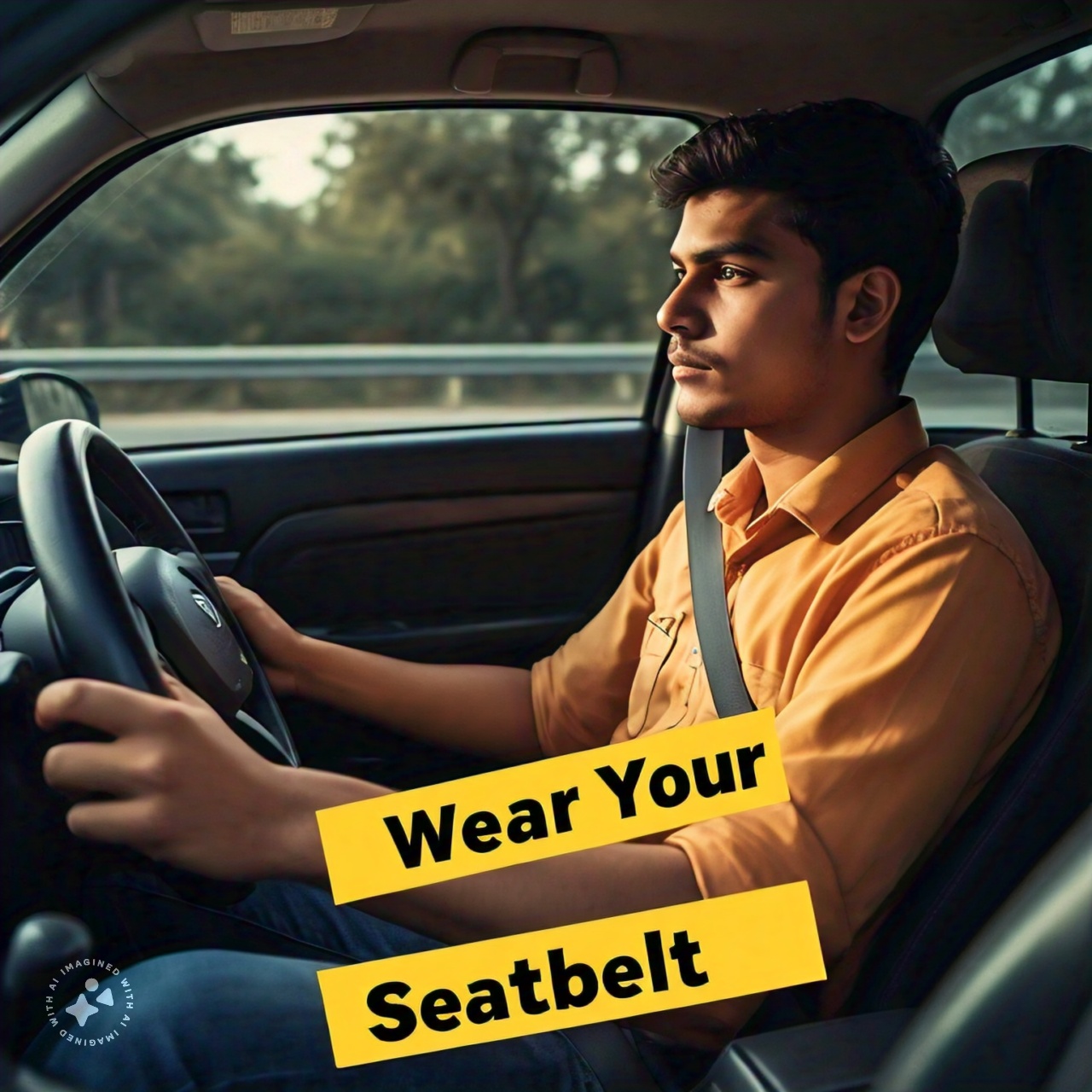
Continue practicing, even if your confidence is shaken. Use the failed test as a learning experience. Practice with an instructor to correct your mistakes and build confidence.
5. Schedule Another Road Test
After ample practice and skill improvement, schedule another test. Your instructor can help determine if you’re ready. With preparation, you'll be more confident and perform better.
Final Thoughts
Nerves are natural on test day, especially with an examiner in the car. Understanding why you failed can help you improve and become a safer driver. Avoid the mistakes listed above to increase your chances of passing. If you fail the first time, see it as an opportunity to refine your skills. Good luck!