Guide to Renewal Services at Your Local DMV Office
Updated guide: For the latest, complete renewal steps, see our guide on how to renew your NY driver's license. For DMV office visits, see DMV office hours and services.
Renewing your driver’s license, vehicle registration, or other essential documents is a routine but important task that every driver must manage. Whether you’re new to the process or need a refresher, understanding the renewal services offered at your local DMV office can save you time and hassle. In this guide, we’ll walk you through the renewal services available, how to prepare for your visit, and what to expect when you arrive at the DMV.
Why Renewal Services at DMV Offices Matter
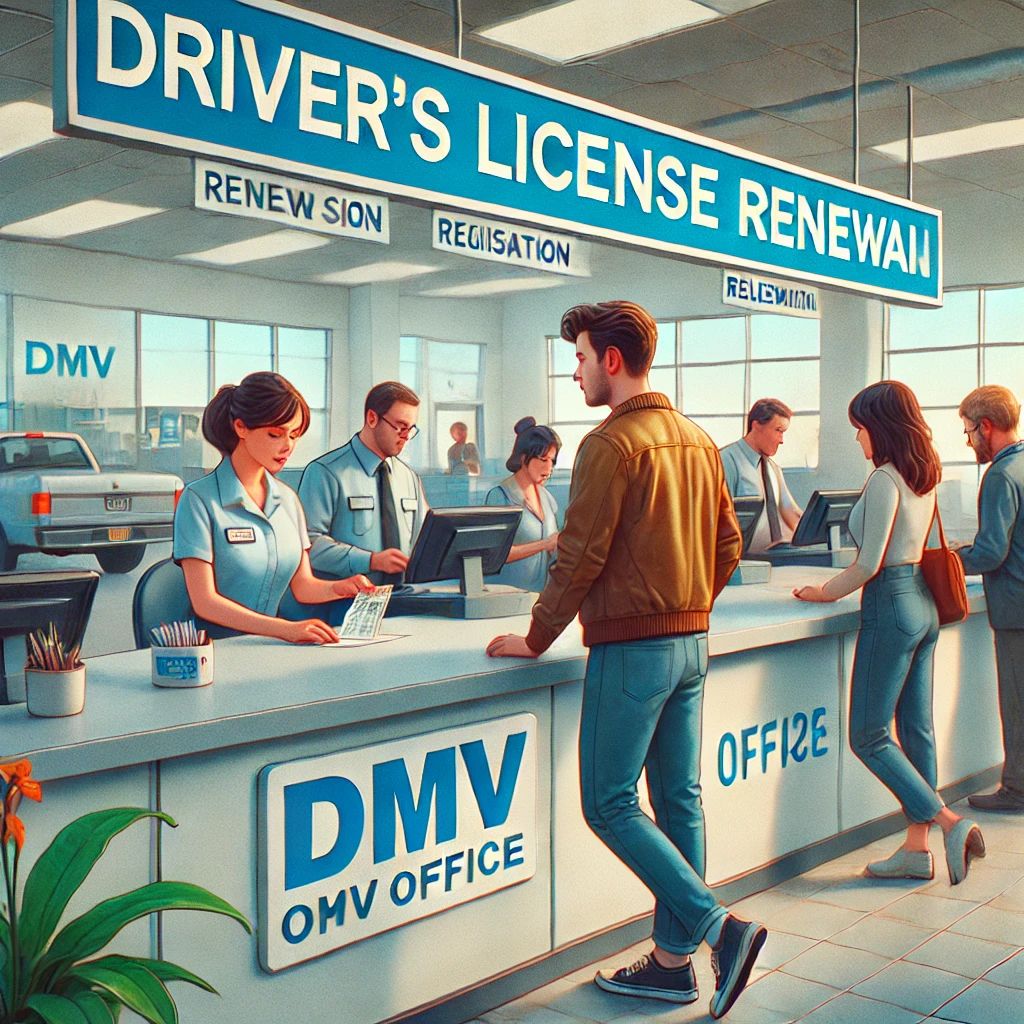
Renewing your documents on time ensures that you remain compliant with state laws and avoid potential fines or penalties. The DMV provides a range of renewal services to keep your driving credentials and vehicle information up to date. Knowing the services offered and the requirements for each can help you streamline the process, making your DMV visit as efficient as possible.
Key Renewal Services Available at DMV Offices
Here are some of the primary renewal services you can access at your local DMV office:
-
Driver’s License Renewal
- When to Renew: Your driver’s license typically expires every four to eight years, depending on your state. The DMV usually sends a renewal notice before the expiration date.
- What You Need: Bring your current driver’s license, proof of identity, and any additional documents required by your state (such as proof of residency or a vision test).
- How to Renew: You can renew your driver’s license in person at the DMV, online (if eligible), or by mail. An in-person visit may be required if you need to update your photo or if additional verification is necessary.
-
Vehicle Registration Renewal
- When to Renew: Vehicle registrations must be renewed annually or biennially, depending on your state’s requirements. A renewal notice is typically mailed to you with instructions.
- What You Need: Bring your current vehicle registration, proof of insurance, and payment for the renewal fee. Some states may also require an emissions test.
- How to Renew: You can renew your vehicle registration in person at the DMV, online, or by mail. If renewing in person, you’ll receive your new registration sticker immediately.
-
State Identification Card Renewal
-
- When to Renew: State ID cards typically expire every four to eight years, similar to driver’s licenses.
- What You Need: Bring your current state ID card, proof of identity, and any required documents, such as proof of residency.
- How to Renew: State ID cards can be renewed in person, online, or by mail. An in-person visit may be required for photo updates.
-
License Plate Renewal
- When to Renew: License plates are renewed alongside your vehicle registration. Your renewal notice will include details on how and when to renew your plates.
- What You Need: Bring your vehicle registration, proof of insurance, and the renewal notice.
- How to Renew: License plates can be renewed at the DMV or online. If you choose to renew in person, you’ll receive your new license plate stickers on the spot.
-
Renewal of Special Permits and Placards
- When to Renew: Special permits and placards, such as those for disabled parking, often need to be renewed every few years.
- What You Need: Bring the original permit or placard, renewal notice, and any required medical documentation.
- How to Renew: Renewal can be done in person at the DMV or by mail, depending on your state’s regulations.
How to Prepare for Your DMV Visit
To ensure a smooth and efficient renewal process, follow these steps before heading to the DMV:
- Check Eligibility for Online Renewal: Many DMV services, including license and registration renewals, can be completed online. Check if you’re eligible to save a trip to the office.
- Gather Required Documents: Make sure you have all necessary documents, such as your current license or registration, proof of insurance, and any additional forms your state may require.
- Make an Appointment: Some DMV offices allow you to schedule an appointment, which can significantly reduce wait times. Check your local DMV office’s website for availability.
- Be Aware of Fees: Renewal services often come with associated fees. Bring the correct payment method, whether it’s a credit card, debit card, or check.
-
What to Expect During Your DMV Visit
When you arrive at the DMV for renewal services, here’s what you can generally expect:
- Check-In Process: Upon arrival, you may need to check in at an information desk or kiosk. If you have an appointment, you’ll likely be directed to the appropriate counter quickly.
- Document Verification: The DMV clerk will review your documents to ensure everything is in order. This may include checking your identity, insurance, and any other required information.
- Processing Time: Once your documents are verified, the renewal process typically takes just a few minutes. If you’re renewing a license or state ID, you may need to have your photo taken.
- Receiving Your Renewal: In most cases, you’ll receive your renewed documents or stickers immediately. For some services, like a new driver’s license, the physical card may be mailed to you within a few weeks.
Conclusion
Renewal services at your local DMV office are essential for maintaining your driving privileges and vehicle registration. By understanding the services available, preparing in advance, and knowing what to expect, you can ensure a smooth and efficient experience. For more information on DMV office locations and renewal services, visit Drive Rite NY, your trusted resource for navigating all things DMV in New York.
Read our full guide on how to renew your NY driver's license.