Ensuring Success
Thorough preparation helps increase your chances of passing the test on the first attempt. It ensures you are familiar with the test format and requirements, reducing the likelihood of unexpected issues.
Building Confidence
Knowing you have prepared adequately can significantly boost your confidence. When you feel prepared, you’re more likely to stay calm and focused during the test.
Essential Checklist Before Your DMV Driving Test
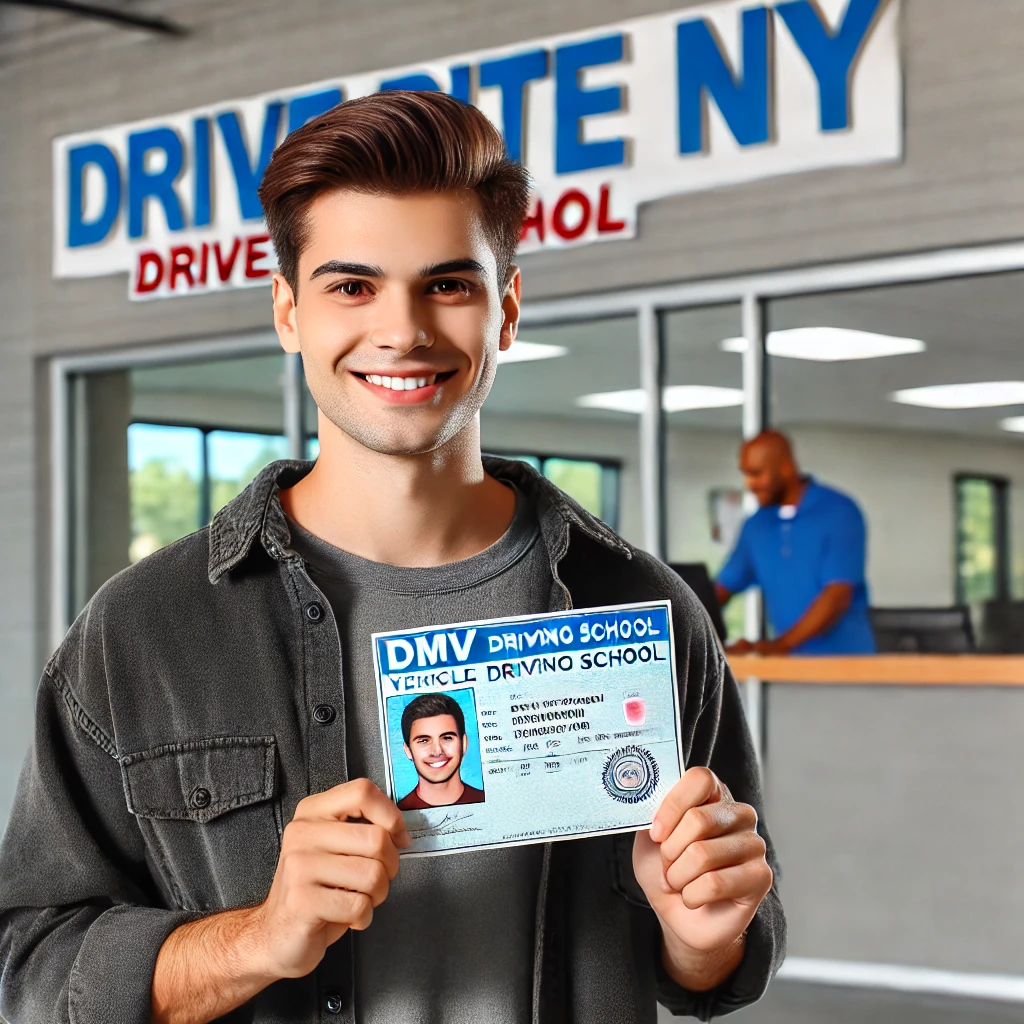
1. Verify Eligibility
Before anything else, ensure you meet all the eligibility requirements for taking the DMV driving test. These typically include:
- Age Requirement: You must be at least 16 years old.
- Learner’s Permit: You must have held a valid learner’s permit for a specified period (usually six months).
- Driver’s Education: Some states require completion of a driver’s education course.
2. Gather Necessary Documents
Make sure you have all the required documents ready:
- Learner’s Permit: Your valid learner’s permit.
- Proof of Identity: Passport, birth certificate, or state-issued ID.
- Proof of Residency: Utility bill, lease agreement, or bank statement.
- Driver’s Education Certificate: If applicable.
- Appointment Confirmation: A printout or digital copy of your test appointment confirmation.
3. Vehicle Preparation
The vehicle you use for the test must meet certain standards. Ensure it’s in good condition and complies with DMV requirements:
- Safety Inspection: Verify that the vehicle has passed a safety inspection. This includes functioning lights, brakes, signals, and horn.
- Clean Interior: The interior should be clean and free of obstructions.
- License Plates: Ensure the vehicle has valid and clearly visible license plates.
- Registration and Insurance: Bring proof of the vehicle’s registration and insurance.
- Functioning Safety Features: Ensure all safety features, such as seat belts and mirrors, are in working order.
4. Review the Driver’s Manual
Thoroughly review your state’s driver’s manual. This will help you understand the rules of the road and the specific maneuvers required during the test. Pay particular attention to:
- Traffic Signs and Signals: Know the meanings and proper responses to all traffic signs and signals.
- Driving Laws: Familiarize yourself with local driving laws and regulations.
- Test Maneuvers: Study the specific maneuvers you will be tested on, such as parallel parking, lane changes, and three-point turns.
5. Practice Driving
Regular practice is essential for building confidence and improving your driving skills. Focus on the following areas:
- Basic Maneuvers: Practice starting, stopping, and turning.
- Advanced Maneuvers: Practice parallel parking, three-point turns, and lane changes.
- Traffic Navigation: Practice driving in different traffic conditions and on various types of roads.
6. Take Mock Tests
Simulate the test environment by taking mock driving tests. This can help you become more comfortable with the test format and procedures. Ask a qualified instructor or experienced driver to evaluate your performance and provide feedback.
7. Know the Test Route
If possible, familiarize yourself with the test route. Practice driving in the area where the test will be conducted. Knowing the route can help reduce anxiety and improve your performance.
8. Mental and Physical Preparation
Your mental and physical state can significantly impact your test performance. Ensure you are well-prepared in these areas:
- Rest Well: Get a good night’s sleep before the test day. Being well-rested helps you stay alert and focused.
- Eat a Healthy Meal: Eat a healthy meal before the test to maintain your energy levels.
- Stay Calm: Practice relaxation techniques to stay calm and composed during the test. Deep breathing exercises can be particularly helpful.
9. Arrive Early
Plan to arrive at least 15-30 minutes before your scheduled appointment. This gives you time to check in and relax before the test begins. Arriving early also ensures you have time to address any last-minute issues.
10. Double-Check Everything
Before leaving for the test, double-check that you have everything you need:
- Required Documents: Ensure you have all necessary documents, including your learner’s permit, proof of identity, and proof of residency.
- Vehicle Readiness: Confirm that the vehicle meets all DMV requirements and is in good working condition.
On the Day of the Test
Stay Calm and Focused
Nervousness can affect your performance. Take deep breaths, stay calm, and focus on driving safely. Remember that it’s normal to feel nervous, but with thorough preparation, you can manage your anxiety.
Listen to the Examiner
Pay close attention to the examiner’s instructions. If you’re unsure about any instruction, don’t hesitate to ask for clarification. Following the examiner’s directions accurately is crucial for passing the test.
Perform with Confidence
Perform each maneuver with confidence. Use your practice and preparation to guide you through the test. Remember to:
- Use Turn Signals: Always use your turn signals when turning or changing lanes.
- Check Mirrors: Regularly check your mirrors to stay aware of your surroundings.
- Follow Speed Limits: Adhere to speed limits and adjust your speed based on road conditions.
- Maintain Safe Distance: Keep a safe distance between your vehicle and the one in front of you.
After the Test

Receiving Feedback
After the test, the examiner will provide feedback on your performance. If you pass, congratulations! If you don’t pass, listen carefully to the feedback and understand the areas where you need improvement.
Practice More if Needed
If you didn’t pass the test, use the feedback to practice and improve your driving skills. Focus on the areas where you made mistakes and consider taking additional driving lessons if needed.
Reschedule the Test
Most states allow you to retake the test after a waiting period. Use this time to practice and prepare for your next attempt. When you feel ready, reschedule the test and follow the same preparation steps.
Conclusion
Preparing for your DMV driving test requires thorough preparation and attention to detail. By following this essential checklist, you can increase your chances of passing the test on your first attempt. For more information and assistance with preparing for your DMV driving test, visit Drive Rite NY.
At Drive Rite NY, we are dedicated to helping you achieve your driving goals. Whether you need help with scheduling your test, practicing your driving skills, or understanding DMV requirements, our team is here to support you every step of the way. Contact us today for expert guidance and make your journey to obtaining a driver’s license as seamless as possible. Book a lesson!