4 Common Unexpected Driving Situations and How to Handle Them Safely
Driving is an essential part of our daily lives, but the road can be unpredictable. Whether you're a seasoned driver or a newcomer, encountering unexpected situations is inevitable. The key to handling these situations safely is staying calm and knowing what to do. In this blog, we'll explore four common unexpected driving situations and provide tips on how to handle them safely.
1. Sudden Brake Failure
One of the most frightening experiences for any driver is brake failure. Knowing how to respond quickly and effectively can prevent a serious accident.
What to Do:
- Stay Calm: Panic can impair your judgment. Take a deep breath and focus on resolving the situation.
- Pump the Brakes: If your vehicle has traditional brakes, try pumping them rapidly. This might help build up enough brake fluid pressure to slow down the car.
- Use the Emergency Brake: Gradually pull the emergency brake. Be gentle to avoid locking the wheels and losing control.
- Downshift Gears: If you drive a manual car, downshift to lower gears to help slow the vehicle. In an automatic car, shift to a lower gear (L or 2).
- Steer to Safety: Look for a safe place to pull over, such as a shoulder or an empty parking lot. Use your hazard lights to alert other drivers.
Prevention Tips:
- Regularly check your brake fluid levels.
- Have your brakes inspected during routine maintenance.
- Pay attention to any unusual noises or sensations when braking.
2. Tire Blowout

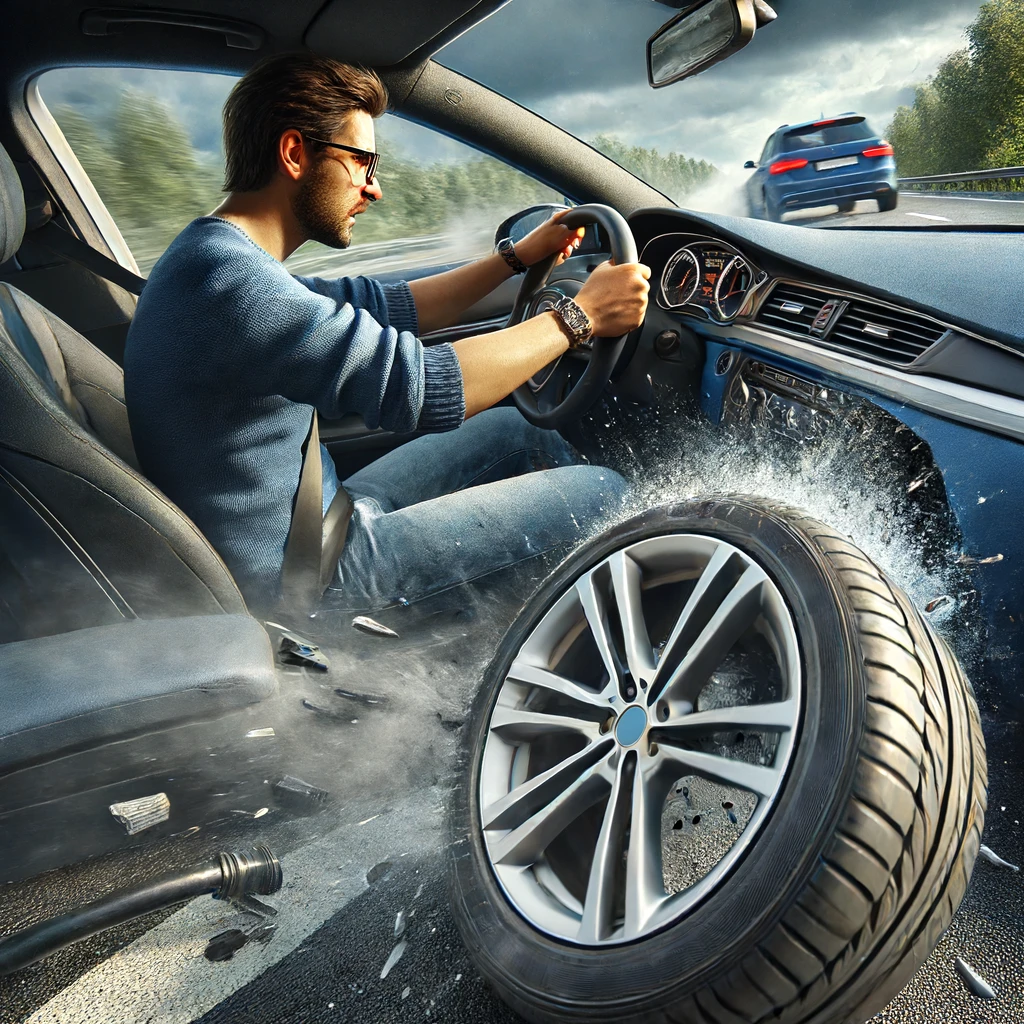
A tire blowout can occur suddenly and cause your vehicle to become unstable. Proper handling of this situation is crucial to maintain control.
What to Do:
- Hold the Steering Wheel Firmly: Grip the steering wheel with both hands to maintain control of the vehicle.
- Avoid Braking Suddenly: Sudden braking can cause you to lose control. Instead, gently ease off the accelerator.
- Gradually Slow Down: Allow the vehicle to slow down gradually. Apply the brakes gently once you have reduced speed.
- Pull Over Safely: Look for a safe place to pull over, such as the shoulder of the road. Turn on your hazard lights to alert other drivers.
- Change the Tire: If you know how, replace the damaged tire with the spare. If not, call for roadside assistance.
Prevention Tips:
- Check your tire pressure regularly.
- Inspect your tires for signs of wear or damage.
- Rotate your tires as recommended by the manufacturer.
3. Hydroplaning
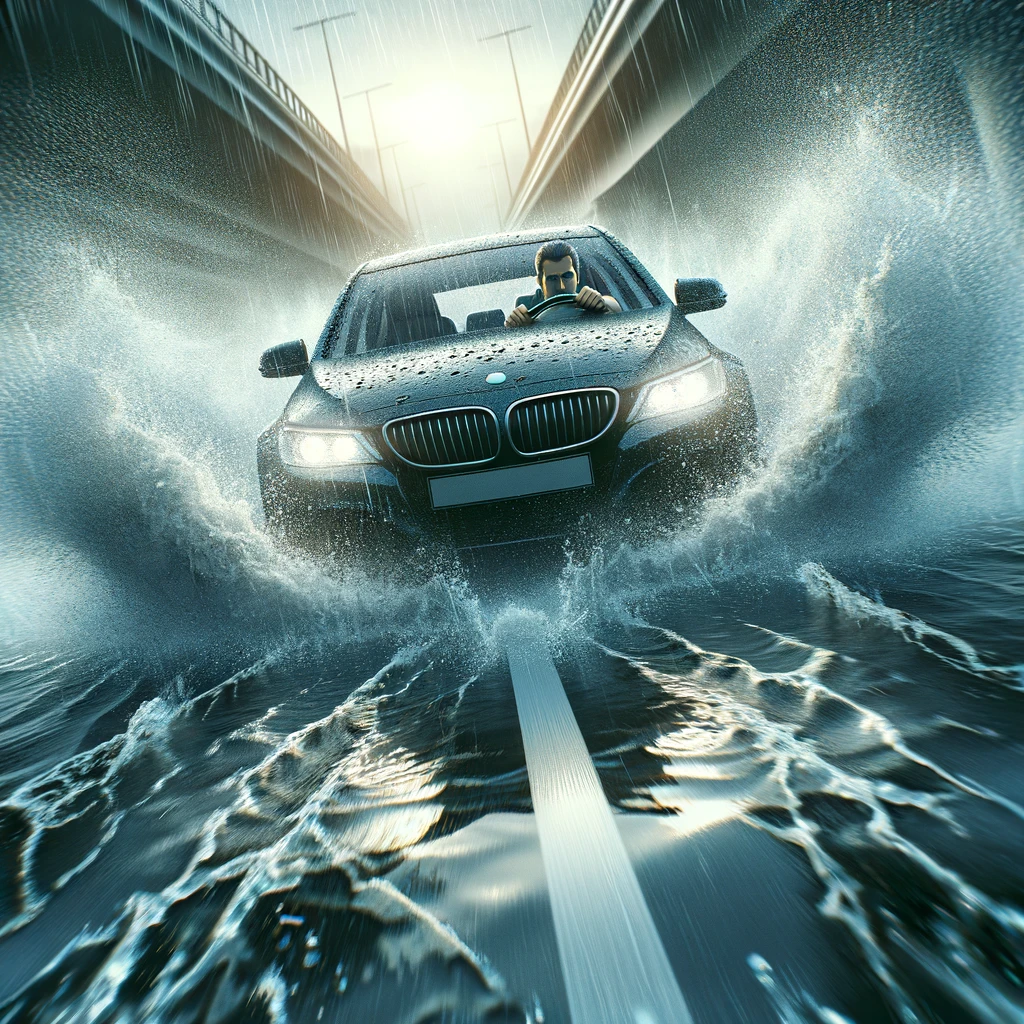
Hydroplaning occurs when your vehicle's tires lose contact with the road surface due to water, causing you to lose control. This is common during heavy rain or when driving through large puddles.
What to Do:
- Stay Calm: Avoid making sudden movements or slamming on the brakes.
- Ease Off the Accelerator: Gently lift your foot off the gas pedal to reduce speed.
- Steer Straight: Keep the steering wheel straight and avoid turning sharply. If you need to turn, do so gradually.
- Wait to Re-Gain Traction: Allow the tires to regain contact with the road. You will feel the vehicle regain stability.
- Brake Gently: Once you have regained traction, brake gently if needed.
Prevention Tips:
- Ensure your tires have adequate tread depth.
- Reduce speed during wet conditions.
- Avoid driving through large puddles.
4. Animal Crossing the Road
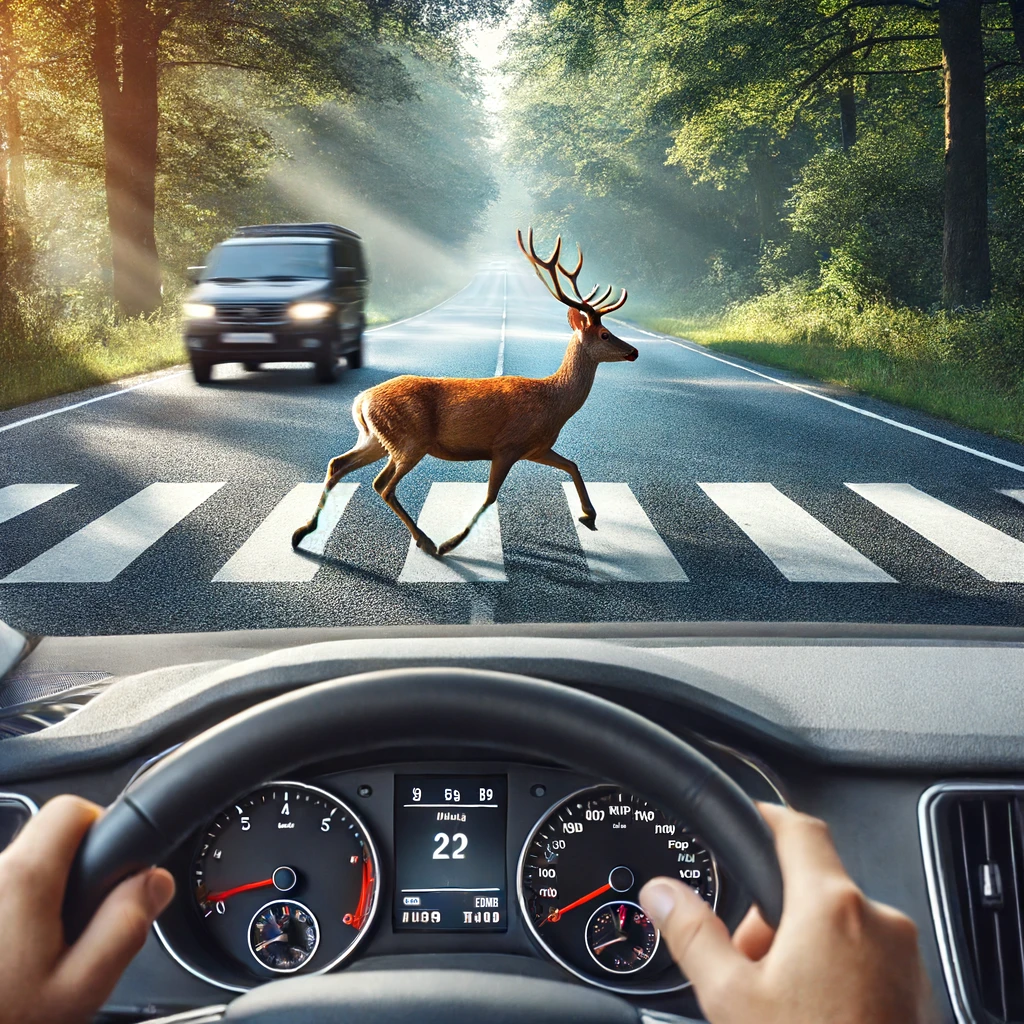
Encountering animals on the road, especially in rural or suburban areas, can be unexpected and dangerous. Knowing how to react can prevent accidents.
What to Do:
- Slow Down: As soon as you see an animal, reduce your speed. This gives you more time to react.
- Use Your Horn: Honk your horn to try to scare the animal away from the road.
- Avoid Swerving: Swerving can cause you to lose control or collide with another vehicle. It's better to brake firmly and stay in your lane.
- Watch for More Animals: Animals often travel in groups. If you see one, there might be more nearby.
- Be Prepared to Stop: If the animal doesn't move, be prepared to stop your vehicle completely until it's safe to proceed.
Prevention Tips:
- Be especially cautious during dawn and dusk when animals are most active.
- Pay attention to animal crossing signs.
- Use high beams at night to increase visibility (when appropriate).
Conclusion
Unexpected driving situations can be challenging, but knowing how to handle them safely can make all the difference. By staying calm, following the appropriate steps, and taking preventative measures, you can navigate these situations with confidence. Remember, regular vehicle maintenance and attentive driving are key to ensuring your safety and the safety of others on the road. Check our packages.
